Morphological Evaluation of Micronutrient Deficiency Dermatoses in Hospitalized Patients: A Cross-Sectional Study
DOI:
https://doi.org/10.18061/ad.v3i1.9585Keywords:
General dermatology, medical dermatology, vitamin deficiency, nutrient deficiency, clinical research, micronutrient deficiency dermatoses, inpatient dermatologyAbstract
INTRODUCTION: While micronutrient deficiencies are associated with classic dermatologic manifestations, there may be associated cutaneous lesions which are nonspecific. Failure to recognize heterogeneous nutritional dermatoses may result in the underdiagnosis of nutritional disease.
METHODS: A descriptive, cross-sectional analysis of 531 inpatients with dermatological conditions and laboratory confirmed micronutrient deficiencies were queried from a single institution healthcare database. Demographics and hospital outcomes were extracted from hospital records. Morphologies and locations of cutaneous lesions were extracted using a formal template from consult notes.
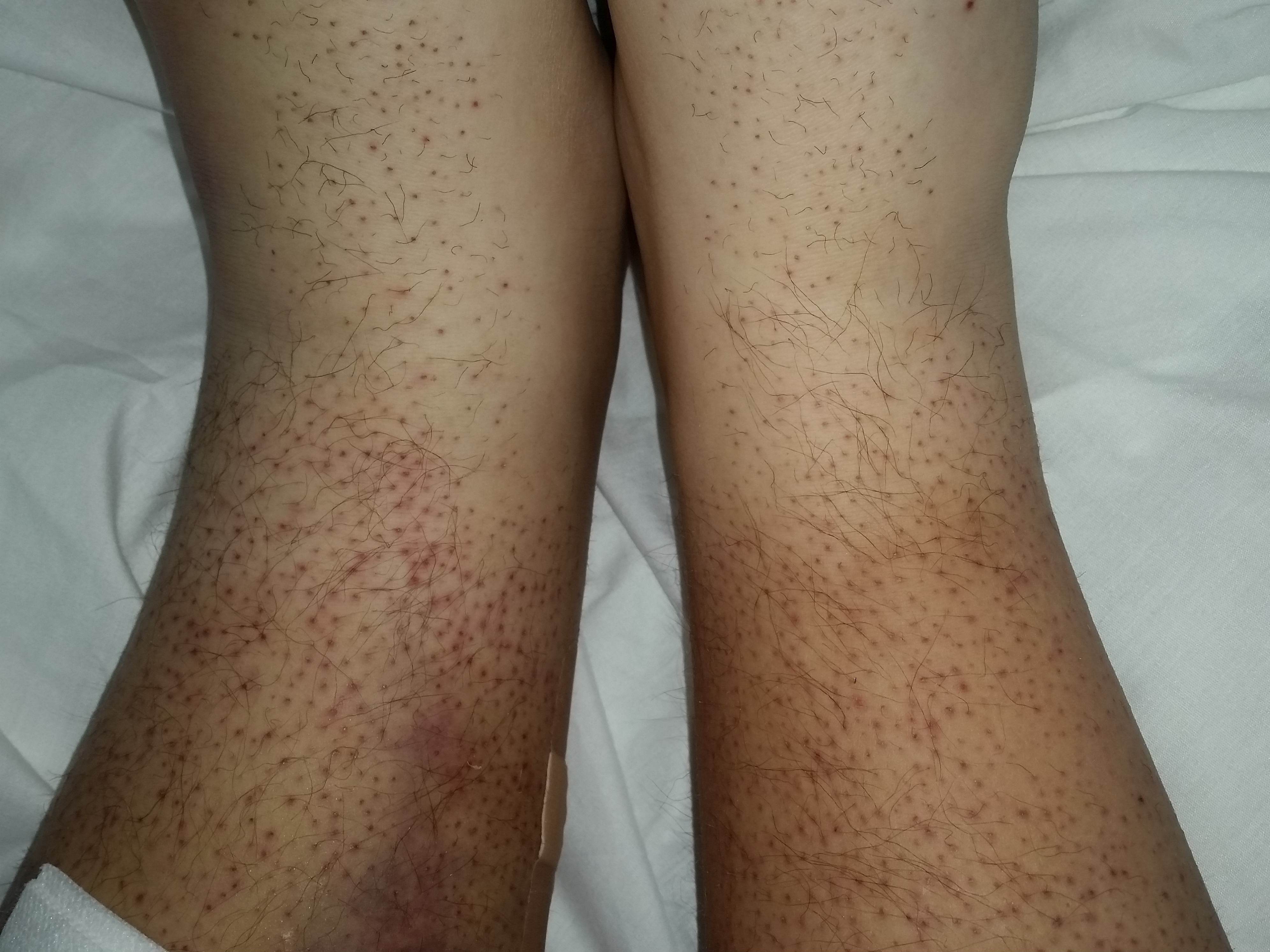
RESULTS: The average affected patient was overweight (mean BMI of 31.3 ±10.4 kg/m2), and less than 30% had combined protein-calorie malnutrition. Psychiatric disease (n=195, 36.7%) and chronic liver disease (n=105, 19.2%) were frequent comorbid conditions. Overall, nonspecific cutaneous presentations (n=252, 47.5%) were more common than classic presentations (n=140, 26.4%) among patients with vitamin C, A, zinc, and/or B-complex deficiencies.
CONCLUSIONS: Physicians should maintain a high index of clinical suspicion for micronutrient deficiencies, even in the absence of classic disease associations to facilitate laboratory testing and early intervention.
Downloads
Published
How to Cite
Issue
Section
License
Copyright (c) 2025 Abena Minta, Rachel M. Kirven, Ty Gilkey, Claire Kovalchin , Abraham M. Korman, John C. Trinidad, Catherine Chung, Benjamin H. Kaffenberger

This work is licensed under a Creative Commons Attribution-NonCommercial 4.0 International License.
This Author Agreement for Academic Dermatology ("Agreement") is entered into by and between The Ohio State University, on behalf of its University Libraries ("Publisher") and the author ("Author").
For good and valuable consideration, Publisher and Author agree as follows:
1. Author hereby grants to Publisher the right to publish, reproduce, distribute, translate, transmit and display his/her submitted work and an abstract thereof ("Work") in the Academic Dermatology